#NOTGOOGLEGLASS SXSW Day 1
Friday, March 8, 2013 at 1:51PM
Anthony Blow
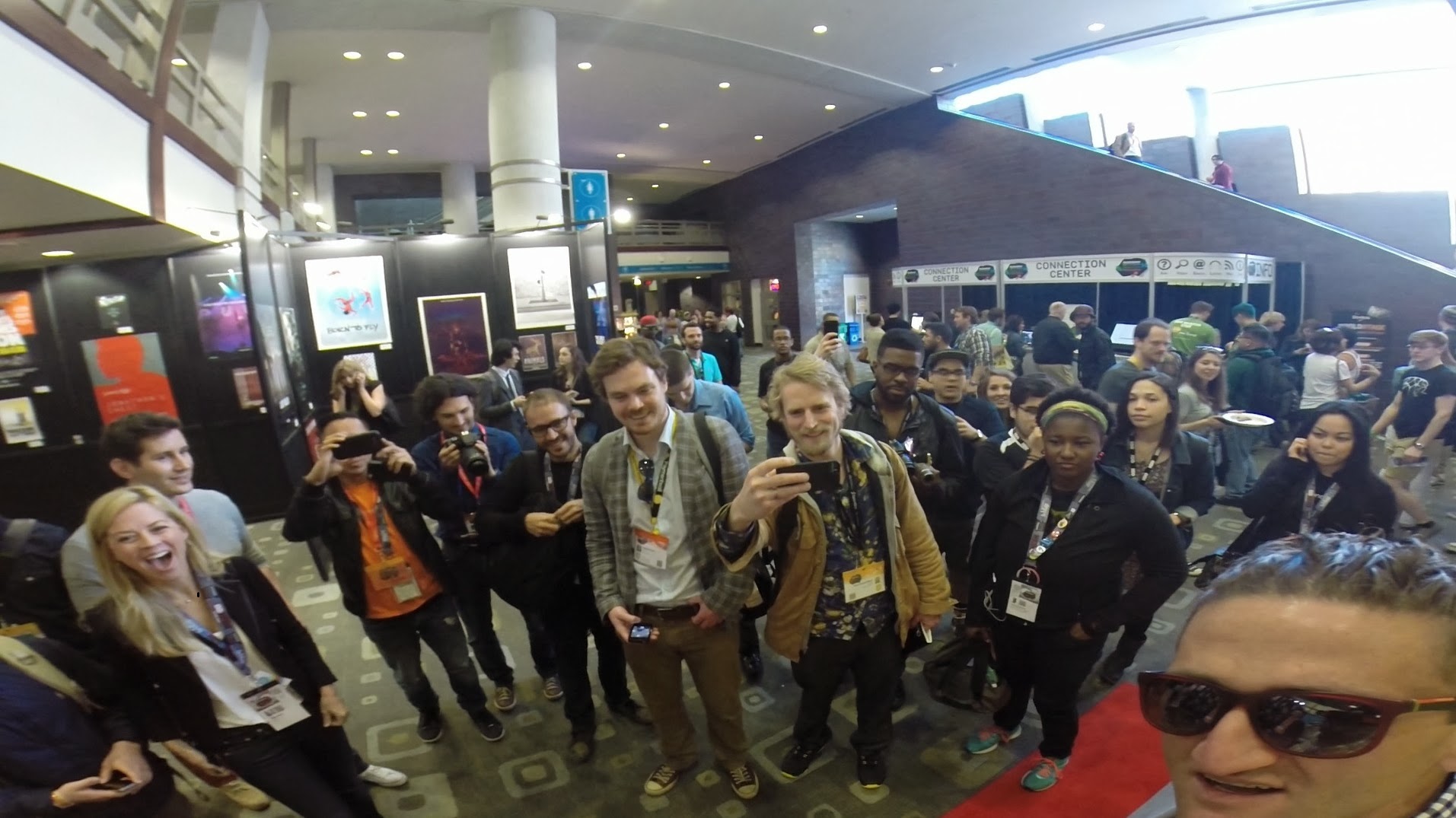
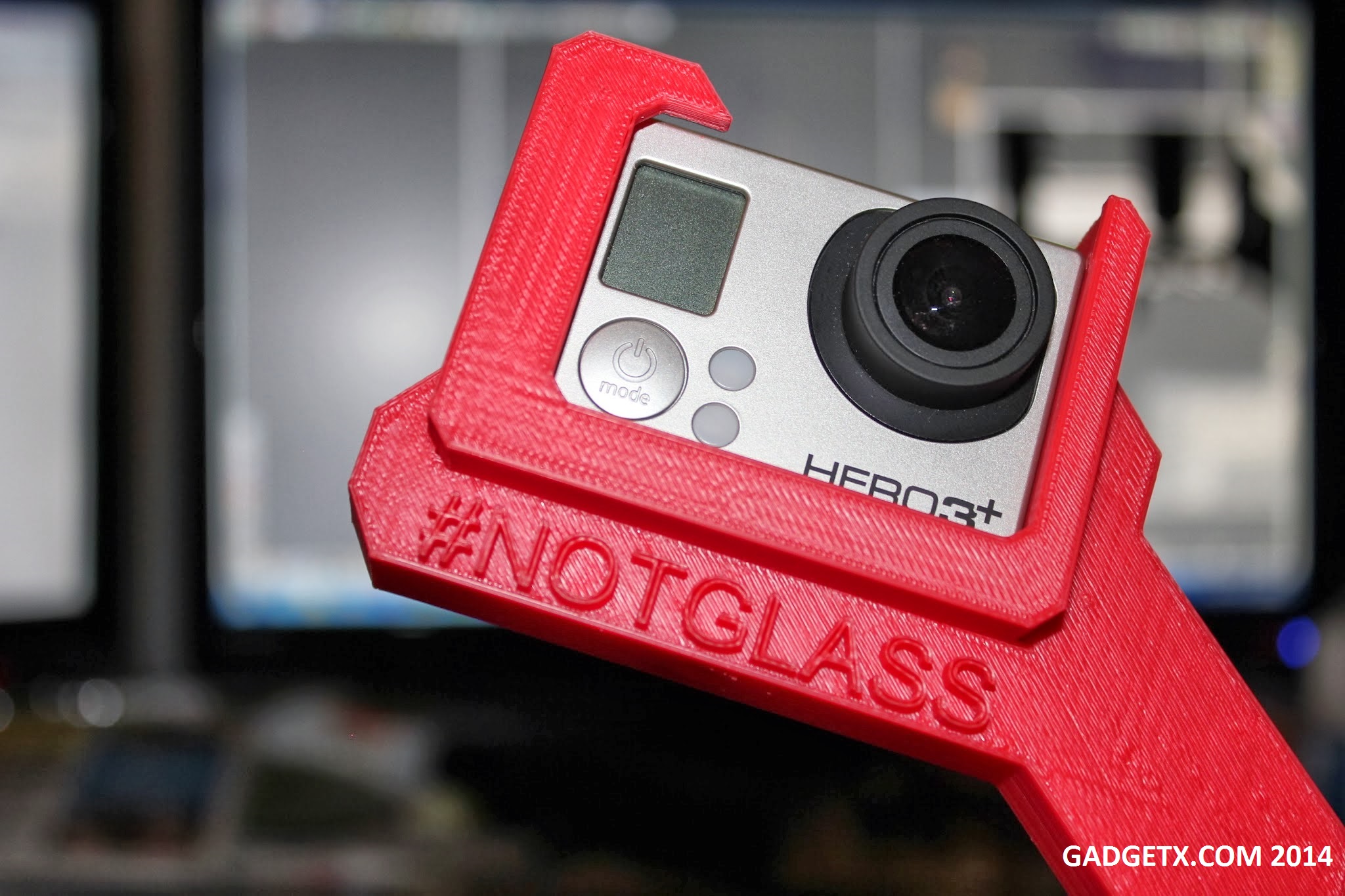
A stroll thru SXSW with #NOTGOOGLEGLASS. Video captured from wearers perspective.
As seen from the convention floor observer POV

sxsw #notgoogleglass
Friday, March 8, 2013 at 1:51PM
Anthony Blow
A stroll thru SXSW with #NOTGOOGLEGLASS. Video captured from wearers perspective.
As seen from the convention floor observer POV

Sunday, November 18, 2012 at 11:28PM I spoke briefly to George Langford, half of the Brooklyn based electronic band Javelin following an incredible live set here in San Diego. Their latest album, Canyon Candy was being distributed electronically via USB based sheriff's badge, in keeping with the western theme. Short video below showing off the MP3 player album featuring "Trembler", my favorite track from Canyon Candy.
Tuesday, November 29, 2011 at 11:26AM FaceBook's announcement of a possible IPO next year is largely seen as the defining moment for the social web. Will going public and thereby having to transparently report and justify activity in every corner of it's business change FaceBook's approach to innovation? The thrust and parry cycle of privacy incursion and backlash backpeddling will have to change in some way as FB goes public. It is this cycle that in part powered the success of FaceBook, moving large enough numbers of people into the social web as we know it(and a certain subset of users off FaceBook). Transparency and the influence of Wall St., could make the company hesitant, possibly hardening now fluid UI features(and privacy policies) into dependable, Ad earnings friendly utilities. It will be interesting to see what kind of floor and/or ceiling develops for others in the social web as FaceBook's stock price weighs in on every change to their product. FaceBook will now have a more complex balancing act. The tradeoff between probing our willingness to give up more and more personal information in exchange for greater connecteness, will now have to compete with responsibilities to shareholders.
If we see a solidifying of features post IPO, FaceBook will have provided a line in the sand, a before and after period, much like the moment the Telephone or Radio made enough of an impact to change everything going forward.
Saturday, May 14, 2011 at 6:42AM 
Last night I synced my iPad and allowed iTunes to update the software by accident, wanting only to sync mp3's with my PC. The device had not been updated for months, to avoid one of the early updates that repurposed the rotation lock switch into a volume control. Apparently no one at Apple thought people read lying on their side, or they enjoyed reading text that is always perpendicular to the floor.
I was pleasantly surprised to find the rotation lock switch restored, how many updates ago, I couldn't say. Interestingly enough, one of the most cool little user experience features I've ever seen has been removed. I called it the "Virtual Bezel", a thin black frame displaying nothing but time and status indicators atop the display. When you rotated the iPad, this Virtual Bezel would quickly follow that motion with a smoothly rotating animation. About another half second later, the rest of the iPad display would appear in the new orientation. I thought this was a brilliant trick, giving the user immediate feedback, which on a sub-display maybe a mere 10-15 pixels across, was really fast. Reconfiguring the other 95% of the display, and associated rendering hardware and software pipeline and its memory buffers can take a perceptible amount of time, as seen on Android devices. The latest software update features the entire display smoothly rotating as you turn the iPad, albeit ever so slightly slower than the Virtual Bezel did. I suspect there has always been hardware acceleration available to pull this off, but maybe the code was not ready for iPad launch.
Other rotation accelerometer enabled devices, like Android phones, do not have this Virtual Bezel, so when the user rotates the screen, the wait for action seems to take forever before the screen pops into place.
As Android devices get faster processors, the brute force display system tear down and reconfiguration for rotation orientation will become less noticeable, but device builders will still suffer in terms of perceived user experience. Even with a faster processor, users may consider a given device to be less responsive than another running a slower processor if it's got a smart user experience trick up it's sleeve. This kind of thing takes planning and dedication of resources, something that follow on device makers would have been hard pressed to fit in to their first build schedules, given Cupertino's first mover advantage.
Many believe that Apple has Buzz, some aura of the wonderful acquired through brilliant marketing campaigns. Sure, marketing helps to get a product noticed, but when users pick up a device and play with it, it's these little intuitive, almost subconscious connections heavily weight purchase decisions. Do this year over year, and yes, there is a magical quality that has people hanging on their every word and deed. To tip the scales in their direction, Android device makers will have to reach beyond a few customizations of the Google template and forge their own unique Virtual Bezel like UX innovations.
Sunday, March 6, 2011 at 10:23PM